
Do I Need to Cancel My Registration When I Sell My Car?
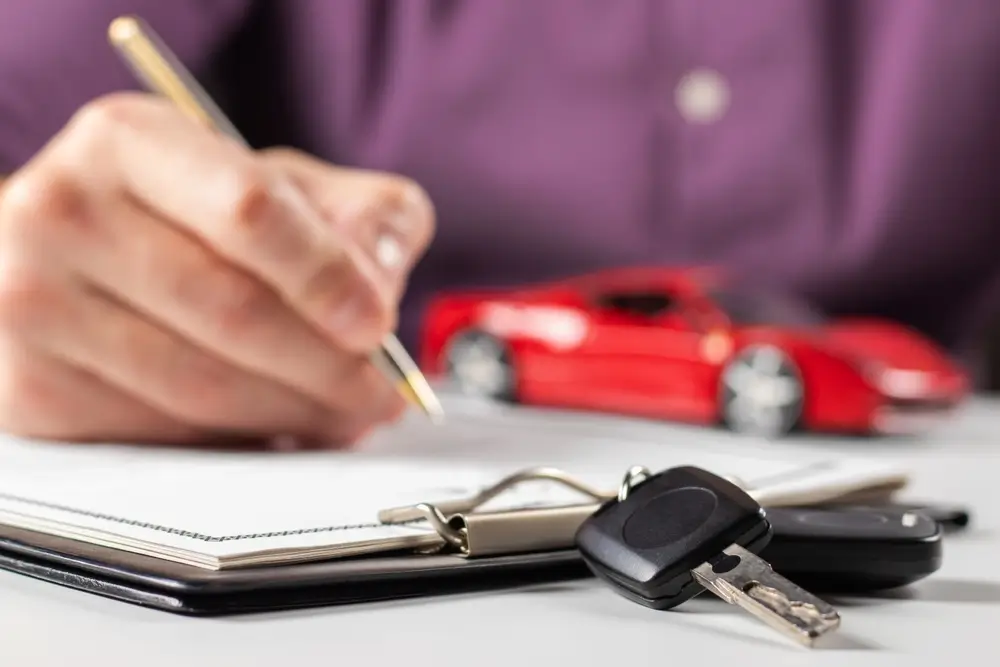
Selling a car involves more than handing over the keys. When selling your car, you need to cancel your registration and skipping this step can leave you exposed to fines, accidents, and legal headaches tied to a vehicle you no longer own. Here is what you need to know.
Do I Need to Cancel My Registration When I Sell My Car?
Yes. Once ownership changes hands, your vehicle registration still carries your name until you take action. Any fines or legal issues tied to the vehicle after the sale date could come back to you. Cancelling your registration removes your name from the record, closes that liability gap, and ensures your plates cannot be misused or linked to stolen vehicles.
What Happens to Your Licence Plate When You Sell?
In most Canadian provinces, licence plates belong to the owner, not the vehicle. When you sell the vehicle, you take the plates with you. You can transfer them from your old vehicle to a new one, or return them to your provincial registry and request a refund for unused registration time.
Newfoundland and Labrador is the exception, where the plates stay with the vehicle when it is sold. In that province, the buyer takes ownership of both the car and the plates.
Before handing over the vehicle, remove your plates. Leaving them on creates a direct link between your name and a car you no longer own.
Why Cancelling Registration Protects You
When selling a vehicle, cancelling your vehicle registration shields you from liability tied to the buyer’s actions after the purchase date. If the new owner gets a ticket or is involved in an accident while your registration is still active, you may be held responsible.
Notifying the provincial ministry through a Notice of Sale protects the seller from liability for the buyer’s actions after the sale, such as tickets or accidents. In some provinces, submitting this notice must be done within a set timeframe. In Newfoundland and Labrador, for example, the seller must notify the Motor Registration Division within 10 days of the sale.
What Is a Notice of Sale and Do You Need One?
A Notice of Sale is a formal declaration you submit to your provincial motor vehicle registry to confirm that you have transferred ownership of your vehicle to someone else. Think of it as the paper trail that separates your liability from the buyer’s the moment the deal closes.
Not every province calls it the same thing, and the process varies slightly depending on where you live. In Alberta, this step is part of completing the ownership transfer at a registry agent. In Ontario, it is tied to the Used Vehicle Information Package process. In British Columbia, the transfer is handled through an Autoplan broker. Regardless of what it is called in your province, the purpose is the same: it puts the new owner’s name on record and takes yours off.
Skipping this step is where sellers run into trouble. Imagine selling your car on a Friday and the buyer getting a red-light camera ticket the following Monday. Without a recorded Notice of Sale, that ticket arrives at your address, and the burden falls on you to prove you were no longer the owner. The bill of sale helps, but a filed notice is the cleaner, faster protection.
If your province offers an online submission option, use it the same day as the sale. For provinces that require an in-person visit, try to go within 48 hours of the transaction.
Documents You Need Before You Sell
The Bill of Sale
A bill of sale is required in most provinces for a private sale and serves as a security document for both the buyer and seller. The signed bill of sale should include the following information: the sale date, the purchase price, and a full vehicle description covering the vehicle identification number, make, model, and model year. Both the seller and buyer keep a copy.
In Alberta, it also captures the odometer reading, payment method, and any representations about the vehicle’s condition. In Ontario, sellers must also provide a Used Vehicle Information Package, which covers lien history and previous ownership details.
The Registration Certificate
To officially transfer ownership, provide the buyer with a signed registration document and, where required, a completed Transfer/Tax Form with original signatures. The seller should keep the plate portion of the registration certificate to use when registering a new vehicle or to receive a refund for unused registration time.
In Alberta and several other provinces, a safety inspection certificate is required for first-time registrations of used vehicles. If your car has not been recently inspected, consider having your vehicle inspected by a trusted mechanic before listing, since many potential buyers will request this before agreeing to a purchase.
How to Cancel Your Vehicle Registration in Alberta
In Alberta, cancelling your vehicle registration means visiting a registry agent and asking to fill out the Licence Plate/Parking Placard Cancellation form. Bring your valid government-issued photo identification and your licence plate. If the registration is in more than one name, or someone else is acting on your behalf, you will also need an Authorization for Vehicle Services form.
There is a cancellation fee. A $10 administrative fee plus GST is deducted from any refund you are eligible to receive. If time remains on your registration, you will receive a refund by cheque in approximately four to six weeks. If it does not arrive within that window, your address on the motor vehicles system may be outdated, or outstanding fines may have been applied to your balance.
If you are outside of Alberta when you sell, you can mail your licence plate to a registry agent along with a letter of request and a copy of your identification.
Preparing Your Car for a Private Sale
Setting a realistic price starts with researching the market for comparable listings for your car’s make, model, and model year. Factor in condition, mileage, and any recent repairs to determine a fair value. Having maintenance records on hand also supports your asking price and gives potential buyers confidence in what they are purchasing.
When a buyer reaches out, be upfront about the vehicle’s condition. Offer a test drive and let them bring a trusted mechanic if they choose. Before any test drive, ask to see the buyer’s driver’s licence and confirm it is valid. A buyer who feels well-informed is far more likely to follow through on the sale.
How to Handle a Test Drive Safely
Letting a stranger take your car for a test drive is one of the more nerve-wracking parts of a private sale, but a few simple steps keep things safe for both sides.
Always ask to see the buyer’s driver’s licence before handing over the keys, and take a photo of it with their permission. Go along for the drive when possible, and if you are not comfortable doing that, set a defined route and a clear time limit. Before any of this happens, check your insurance coverage. In most Canadian provinces, your existing policy covers a prospective buyer during a test drive, but terms can vary, so a quick call to your insurer beforehand removes any uncertainty.
If a buyer refuses to show identification or pushes to take the car without you present, trust that instinct. A legitimate buyer will not object to reasonable precautions.
What to Do About Insurance After the Sale
After selling a vehicle, it is important to notify your insurance company to remove the sold vehicle from your coverage and update your policy accordingly. Most insurance companies offer a grace period, typically around 14 days, for you to get your ownership and registration details handled after selling.
Failing to notify your insurance company after selling a vehicle can lead to potential liability claims associated with the buyer’s use of the vehicle. Even if you plan to buy a new vehicle shortly after, contact your insurer as soon as the sale is complete.
Selling to a Dealer vs. a Private Buyer
If you sell to a dealer, they handle most of the paperwork, including the ownership transfer documentation. The process is faster and involves fewer steps on your end, though you will generally receive less than in a private sale.
In a private sale, you manage everything yourself: the bill of sale, the transfer documents, the plate removal, and the registration cancellation. It takes more time, but many sellers prefer it for the higher return. Either way, make sure the transfer is fully documented before the buyer drives the vehicle away.
Common Mistakes Sellers Make (And How to Avoid Them)
Even straightforward private sales can go sideways when sellers skip steps or rush the process. Here are the most common mistakes and how to sidestep them.
- Forgetting to remove the plates. This is one of the most frequent errors in a private sale. Leaving your plates on the car connects your identity to every trip the new owner takes. Remove them before the buyer drives away.
- Not getting the bill of sale signed at the time of sale. A bill of sale dated after the fact is far harder to rely on if a dispute comes up. Sign it at the time of the transaction, and make sure both parties leave with a copy.
- Waiting too long to cancel your registration. Life gets busy, but every day your registration stays active after the sale is a day you carry unnecessary exposure. Treat registration cancellation as part of the sale itself, not an afterthought.
- Assuming the dealer handled everything. If you sold to a dealership and did not confirm the ownership transfer was completed, follow up. Dealers are generally reliable, but errors do happen, and the registration stays in your name until the transfer is recorded.
Not updating your insurance. Keeping a sold vehicle on your policy means paying for coverage you do not need. More importantly, it can complicate liability questions if the buyer has an incident before your insurer is notified.
Taking a few extra minutes at the time of the sale to handle these steps correctly saves a significant amount of time and stress down the road.
Ready to Cancel Your Registration? GoldKey Can Help.
Handling vehicle registration and ownership transfers in Alberta does not have to be complicated. GoldKey Registry offers registration cancellations, plate returns, ownership transfers, and a full range of motor vehicle services. Visit a GoldKey location near you, or head to the GoldKey page online to contact the team toll free and get it done quickly and correctly.
Do I Need to Cancel My Registration When I Sell My Car? – FAQs
Do I need to cancel my registration if I am buying a new vehicle right after?
Not necessarily. If your plates are transferring to a new vehicle, you may be able to transfer the registration instead of cancelling it. Confirm the right process with your registry agent.
How long does it take to get a registration refund in Alberta?
Expect a cheque by mail within four to six weeks after cancellation. A $10 processing fee plus GST is deducted from the refund.
Who is responsible for the vehicle after the sale?
Once the bill of sale is signed and dated, the buyer becomes the legal owner. Filing a Notice of Sale with your provincial authority confirms this on record and protects you from that date forward.
What if I lost my registration certificate before completing the sale?
Contact your provincial registry to request a reprint. Most provinces offer this service online or in person.
Does the buyer need to re-register the car right away?
Yes. In Ontario, the buyer must register within six days of the purchase date. In British Columbia, the requirement is 10 days. Other provinces have similar timelines.
What happens if I forget to cancel my registration after selling?
If the registration remains active under your name and the buyer incurs fines or is involved in an incident, you may face complications even with a signed bill of sale. Cancelling promptly keeps your record clear.
Do I have to pay taxes when selling my car privately in Alberta?
As the seller, you do not collect sales tax in a private sale. The buyer pays applicable taxes at the time of registration. Alberta has no provincial sales tax on private vehicle sales.
Can someone else cancel my registration on my behalf?
Yes, with a signed Authorization for Vehicle Services form. The person acting for you must bring valid identification to the registry office.
Should I keep a copy of the bill of sale after the sale?
Yes. It is your proof that ownership transferred on a specific date. If you receive notices about the vehicle afterward, this document confirms you are no longer the registered owner.