
What Is Proof of Ownership of a Car in Alberta? | Full Guide
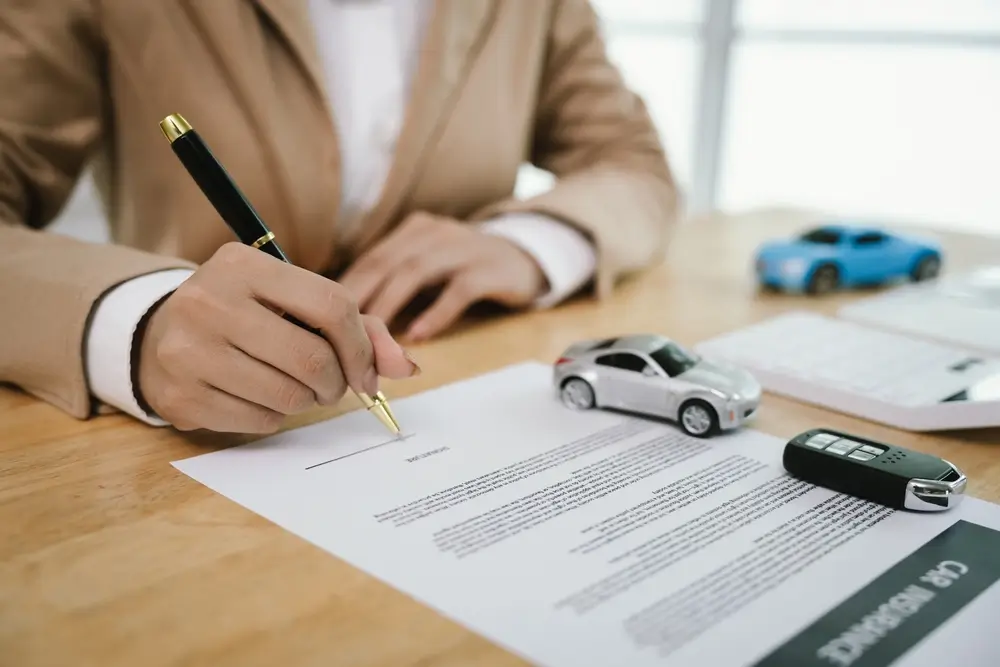
Understanding proof of ownership of a car, sometimes informally called a car ownership paper, is essential for every Canadian driver. Whether you are buying, selling, insuring, or registering a vehicle, proper documentation, sometimes loosely described as a certificate of ownership of a car, protects you legally and financially. For many people, especially those who want straightforward information without legal jargon, knowing which documents count as valid proof and how they are used can remove a lot of stress.
What Is Proof of Ownership of a Car in Alberta?
In Canada, proof of car ownership is not just one document. It is a combination of records that confirm who owns the vehicle, who is allowed to drive it on public roads, and who is responsible for insurance and registration, including province-specific documents like an Alberta car title equivalent. These records act as vehicle proof when dealing with an insurance company, a registry agent, or provincial authorities.
This guide explains what proof of vehicle ownership means in Canada, which car documents qualify, how ownership differs by province, and what to do if paperwork is missing. We also explain how proof of ownership connects to car insurance, including gap insurance in Canada, market value considerations, and financial risk protection.
What Does Proof of Car Ownership Mean?
Proof of car ownership refers to official documents that confirm a person is the legal or registered owner of a motor vehicle and serve as a formal car ownership certification. These records show who has the right to sell, insure, or register the vehicle and who is the legal owner under Canadian law.
The primary proof of vehicle ownership in Canada is the Vehicle Registration Certificate. This document confirms that the vehicle is registered and includes vehicle details found in a new vehicle information statement, such as the make, model, year, and VIN.
Proof of car ownership is required when you register a vehicle, transfer ownership, apply for insurance coverage, or resolve disputes involving a previous owner or last registered owner.
Vehicle registration is a mandatory process that allows you to legally drive your vehicle on public roads in Canada.
Note: Registering your vehicle does not imply that you own it outright; vehicle registration is separate from ownership.
After confirming your proof of vehicle ownership, the next step is making sure your vehicle registration is up to date. We offer secure vehicle registration renewal services to make the process simple.
Renew Your Registration Online Now
What Are the Key Documents That Prove Car Ownership in Canada?
Vehicle Registration Certificate
A Vehicle Registration Certificate serves as proof that your vehicle is registered and includes details like the vehicle’s make, model, VIN, and the owner’s information. This registration certificate is issued by a registry agent and is required for driving on public roads. This registration certificate confirms key ownership and registration details, including the following:
- Confirms the registered owner
- Lists licence plates and the plate portion
- Includes vehicle information and the vehicle’s VIN
- Must be kept current and valid
Vehicle registration must be updated every one to two years to keep everything legal and up to date.
Bill of Sale
A Bill of Sale or lease agreement is an important document to prove car ownership in Canada. It confirms the sale between buyer and seller and supports the ownership transfer process. This document provides clear evidence of the transaction and includes several key details, such as the following:
- Shows purchase price and date
- Includes buyer and seller names
- Contains vehicle description and vehicle identification number
- Protects both parties legally
Ownership documents must contain the following information: the date of purchase, the buyer’s name, the seller’s name, and the vehicle description.
A valid Bill of Sale protects the seller from being held responsible for accidents or tickets after the car is sold.
Do You Need a Bill of Sale to Register a Car?
Yes, a Bill of Sale is typically required to register a vehicle, especially after a private sale or when purchasing a used car, and a standard Bill of Sale is required to transfer ownership of a vehicle in Alberta. It supports the legal transfer of ownership and confirms the seller’s right to transfer the vehicle.
Vehicle Permit and Registration Document
When buying or selling a used car, the vehicle permit is what legally transfers ownership. The registration document must be updated to reflect the new owner’s name. This document plays a key role in the registration process and serves several important purposes, including the following:
- Used during ownership transfer
- Confirms vehicle ownership details
- Links to existing permit or initial registration
What Is a Vehicle Ownership Document?
A vehicle ownership document is any official record that confirms who owns a vehicle. In Canada, this is typically the Vehicle Registration Certificate or vehicle permit issued by a provincial authority.
Vehicle Title in Canada
A vehicle title document serves as proof of ownership in some Canadian provinces. It is a legal record that establishes who holds the legal rights to a motor vehicle.
A vehicle title includes:
- Vehicle Identification Number
- Make, model, and year.
- Owner’s name and address
In Canada, there isn’t one single vehicle title used everywhere. Instead, ownership is proven through provincial documents like the Vehicle Registration Certificate or vehicle permit, which confirm who owns the vehicle depending on where it’s registered.
How Does Car Ownership Work in Alberta?
Alberta car ownership involves specific processes for vehicle ownership and registration that differ from those of some other provinces. Unlike jurisdictions with government-run registries, Alberta uses authorized registry agents, such as GoldKey Registry, to handle vehicle-related services on behalf of the province.
To register a vehicle in Alberta, you must visit a registry agent with valid Alberta auto insurance and a Vehicle Registration Certificate. A person aged 18 or older can register a vehicle independently. If you’ve purchased a vehicle, you’ll also need a Bill of Sale and, in some cases, identification or proof of address. Registration must be kept current, as driving an unregistered vehicle can result in fines, penalties, or insurance issues. Registry agents can also assist with ownership transfers, plate renewals, and updating registration details.
In Alberta, there is no separate car title document. Instead, ownership is typically proven through the following documents issued by a registry agent:
- Vehicle Registration Certificate
- Signed Bill of Sale
- Existing permit from the previous owner
There is no standalone car title document in Alberta like in some jurisdictions. Instead, the registration certificate and supporting ownership document act as proof. This is why searches for vehicle titles in Alberta usually point back to registration documents.
To register a vehicle in Alberta, you typically need to provide:
- A valid driver’s licence
- Proof of purchase, such as a Bill of Sale
- Proof of valid insurance
Proof of valid insurance is required to register a vehicle in Alberta.
How Do Out-of-Province Vehicles Work in Alberta?
If you are a new resident of Alberta, you must change your registration to an Alberta registration within 90 days of moving there.
To register a vehicle purchased outside of Alberta, you must complete an Alberta Out of Province Vehicle Inspection before it can be registered. Vehicles deemed unsafe must pass a safety inspection before registration.
How Does Ownership Transfer Work?
Used Cars, Private Sales, and Ownership Transfer
When buying a used vehicle or completing a private sale, extra care is required to confirm ownership.
Documents required during vehicle ownership transfer must confirm the seller’s legal right to transfer the car, preventing fraud.
What You Need for a Used Car Purchase
- Bill of Sale signed by both parties
- Vehicle registration document from the previous owner
- Vehicle permit for ownership transfer
- Valid insurance policy
Verification of VIN between documents and the vehicle is essential to confirm it is the correct vehicle during a transfer.
When buying a used car, the vehicle registration document must be updated to reflect the new owner’s name.
How to Deal with Missing or Lost Ownership Documents?
If the Bill of Sale is lost or unavailable, additional steps may be required.
The Affidavit of Vehicle Ownership is used to prove ownership in cases where the original Bill of Sale is lost or unavailable.
If you don’t have any documents proving you purchased the vehicle, you will need to complete a declaration in front of a notary public.
You may still be able to register a vehicle in your name without the required documentation if the previous owner did not provide proper paperwork, although you may be required to seek legal advice depending on how you came into possession of the vehicle.
What Does Car Ownership Look Like?
Car ownership in Canada involves having your name legally tied to the vehicle through registration, supported by purchase documents and valid insurance. Ownership is recognized through official records rather than possession alone.
How Does Vehicle Ownership Affect Insurance Coverage?
Proof of ownership directly affects your ability to obtain car insurance and accurate car insurance quotes.
A car insurance policy can also serve as proof of ownership, as it lists vehicle details, including the owner’s name.
Insurance companies require valid proof before issuing or updating an insurance policy.
Why Proof Matters for Car Insurance
- Confirms insurable interest
- Reduces financial risk
- Ensures accurate coverage limits
- Protects against disputes after a write-off
Valid insurance is required in every province to legally drive on public roads.
How Gap Insurance Fits Into Ownership and Registration
Gap Insurance in Canada Explained
Gap insurance covers the difference between your car’s market value and what you owe on financing if your vehicle is written off.
This coverage is especially important for a new vehicle or a financed used car.
Gap Insurance, Ontario and Other Provinces
Gap insurance in Ontario helps protect drivers from depreciation. Market value drops quickly, and without gap insurance coverage, drivers may still owe money after a total loss.
Benefits of gap insurance include:
- Protecting against loan shortfalls
- Reducing financial risk
- Supporting comprehensive coverage
- Offering peace of mind
You can add gap insurance through your insurance company when purchasing or refinancing a vehicle. Many drivers choose to buy gap insurance at the same time they secure car insurance quotes.
Registering a Vehicle in Canada: Step by Step
To register a vehicle in Canada, you typically need to provide a valid driver’s licence, proof of purchase such as a Bill of Sale, proof of auto insurance, and the original vehicle permit from the seller.
Step 1: Gather your required documentation
Make sure you have the following ready:
- Vehicle Registration Certificate
- Proof of valid insurance
- Valid driver’s licence
- Ownership document
- Existing permit or plate portion
Step 2: Go to a registry office
Bring your documents to a registry office to register the vehicle in your name.
Step 3: Send someone on your behalf if needed
If you cannot go to a registry office, another person can apply for vehicle registration on your behalf if they have a valid Alberta driver’s licence or identification card.
Step 4: Choose your registration term if you are in Alberta
Commercial vehicle registration in Alberta is issued for a minimum of 3 months to a maximum of 1 year.
Passenger vehicle registrations in Alberta are issued for a minimum of 1 year to a maximum of 2 years.
How Vehicle Ownership Rules Differ Across Canada
Different jurisdictions in Canada apply ownership rules slightly differently, such as British Columbia.
If you cannot find the registration information, always confirm with your registry agent or provincial authority, such as Transport Canada, and bring all your documentation to the appropriate authority for further steps in the registration process.
Vehicle history reports and official ownership documents help confirm previous owner details and whether the title is clear or if there are outstanding loans or liens.
Proof of Car Ownership – FAQs
How do I prove ownership of a car in Canada?
The most common proof includes a Vehicle Registration Certificate, Bill of Sale, and a valid insurance policy.
What is considered valid proof of ownership?
Valid proof typically includes an ownership document showing your name, the vehicle details, and confirmation from a registry agent.
What is evidence of ownership?
Evidence of ownership includes official documents that confirm legal rights to a vehicle, such as registration certificates, vehicle permits, or Bills of Sale.
What is the best evidence of ownership of a title?
The strongest evidence is the provincially issued registration or title document that legally confirms who owns the vehicle.
Can I download a change of ownership form?
In many provinces, changes of ownership forms are available through registry offices or official provincial government websites.
How do I get my title after paying off my car in Canada?
Once a vehicle loan is paid off, the lender issues a lien release letter, which must be submitted to update the registration and remove the lender’s interest.
What is needed to register a car in Canada?
You generally need proof of purchase, proof of insurance, a valid driver’s licence, and ownership or registration documents.
Can you register a vehicle in Alberta without a bill of sale?
It may be possible, but additional documentation, affidavits, or legal review may be required by a registry agent.
What documents do you need to sell a car in Alberta?
You typically need a completed Bill of Sale, the vehicle permit, valid identification, and removal of licence plates.
What are the three forms of evidence of title?
In Canada, evidence of title typically includes the Vehicle Registration Certificate, a Bill of Sale, and a provincial vehicle permit or ownership document.
What type of title gives the highest rights of ownership?
The highest ownership rights come from a provincially issued registration or ownership document showing the individual as the registered owner with no liens.
Get Help With Vehicle Registration and Insurance
Understanding your vehicle ownership and registration documents is essential for protecting your finances, maintaining valid insurance, and staying compliant with provincial requirements. At GoldKey Registry, we support Canadians with vehicle registration, ownership transfers, licence plate services, and related documentation, making every step simple and stress-free.
Once you have the correct proof of ownership, keeping your vehicle registration current is essential. We also provide vehicle registration renewal services to help you complete the process easily and stay compliant.